The Maker Movement is all about learning through the experimental processes of building, tinkering and designing (Hsu, Baldwin & Ching, 2017). In a way, maker education is a culmination of all the technologies discussed throughout this blog, as 3D printers, robotics, artificial, virtual and augmented reality are all tools that can be used in the process of making, in addition to everyday objects and commercial kits (Martinez & Stager, 2014).
While relatively modern, the maker movement is based on theoretical concepts dating back to the early 20th century. The first one is Dewey’s hands-on approach to education in which learning is not a static exchange but a dynamic process of learning by doing (Clapp, Berger & Donner, 2016). The other is Papert’s theory of Constructionism, in which learning occurs through the building of physical artefacts (Donaldson, 2014). In making, students are actively constructing knowledge of the curriculum content, manifesting a physical representation of their thinking and creating a sharable, contextualised object (Cohen, et al., 2017).
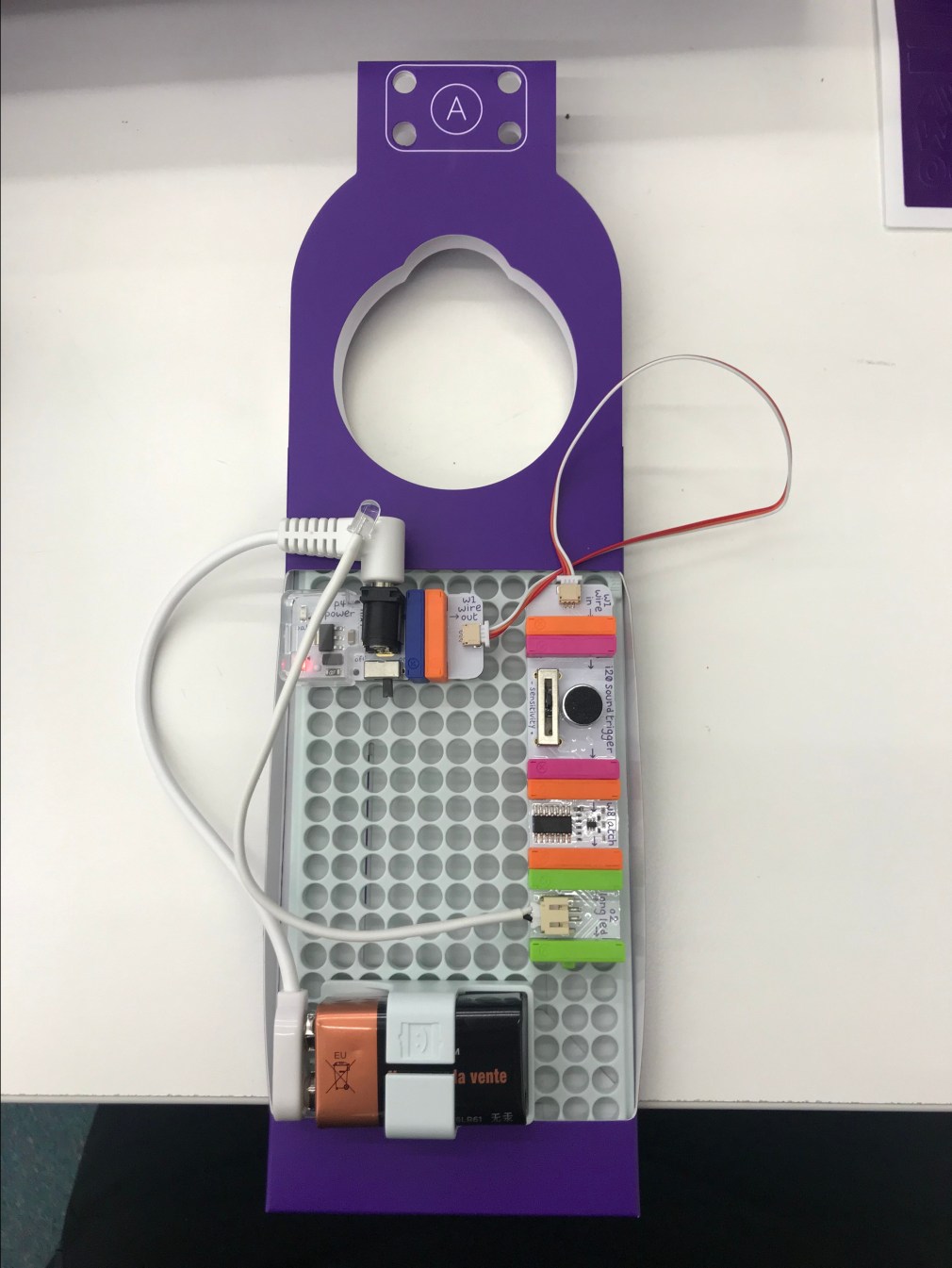
There are many benefits in incorporating maker education into the classroom. Making fosters higher order thinking skills, including the synthesis domain of Blooms Taxonomy in which students create, design and invent as a way of making sense of new ideas (Donaldson, 2014.) Additionally, making supports self-directed, autonomous learners as students are often responsible for their own work within the parameters of set learning objectives (Cohen etal., 2017). Making, by nature, is creative and customisable and as such, educators are able to tailor the learning experience to fulfil certain purposes, for example inclusivity by accomodating for student needs and interests to bridge participation gaps for certain groups (Harvard Educational Review Editorial board, 2014).
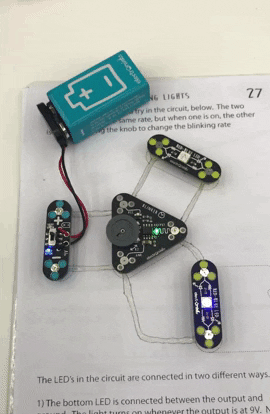
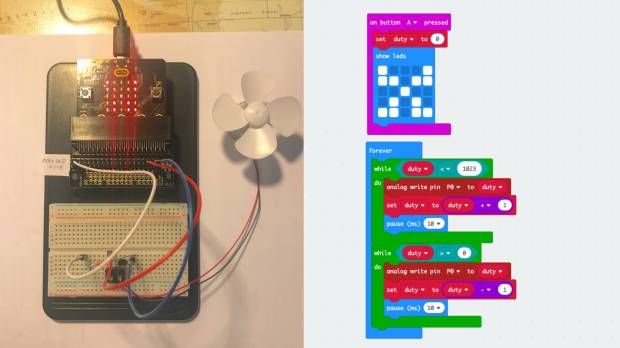
There are many examples of the maker movement in action due to the wide availability of kits and tools. Educators may choose to use commercial kits such as the CircuitScribe, Little Bits that have less scope in order to serve a specific learning objective, for example the CircuitScribe contains conductive ink to allow students to learn more about circuits. Alternatively, teachers may opt to design lessons that allow students to have more freedom with their making – in just setting a learning objective, outlining parameters and providing access to resources. For example, setting a maker project designing e-textiles where electronic components are embedded into clothing products, or my example below which is creating a functional fan using the micro:bit and a motor (Hsu, Baldwin & Ching, 2017).
Reference List
Clapp, E., Berger, R., & Donner, W. (2016). Maker-centered learning (1st ed.). San Francisco: Jossey-Bass.
Cohen, J., Jones, W.M., Smith, S., & Calandra, B. (2017). Makification: Towards a Framework for Leveraging the Maker Movement in Formal Education. Journal of Educational Multimedia and Hypermedia, 26(3), 217-229.
Donaldson, J. (2014). The Maker Movement and the rebirth of Constructionism. Hybrid Pedagogy. Available at: http://www.hybridpedagogy.com/journal/constructionism-reborn/
Harvard Educational Review Editorial Board. (2014). The maker move-ment in education: Designing, creating, and learning across con-texts.Harvard Educational Review, 84(4), 492–494 Retrieved from http://hepg.org/her-home/issues/harvard-educational-review-volume-84-number-4/herarticle/symposium.
Hsu, Y., Baldwin, S., & Ching, Y. (2017). Learning through Making and Maker Education. Techtrends, 61(6), 589-594.
Martinez, S., & Stager, G. (2014). The maker movement: A learning revolution. International Society for Technology in Education. Available at: https://www.iste.org/explore/articleDetail?articleid=106
 All Hands on Tech